

Available to buy here:
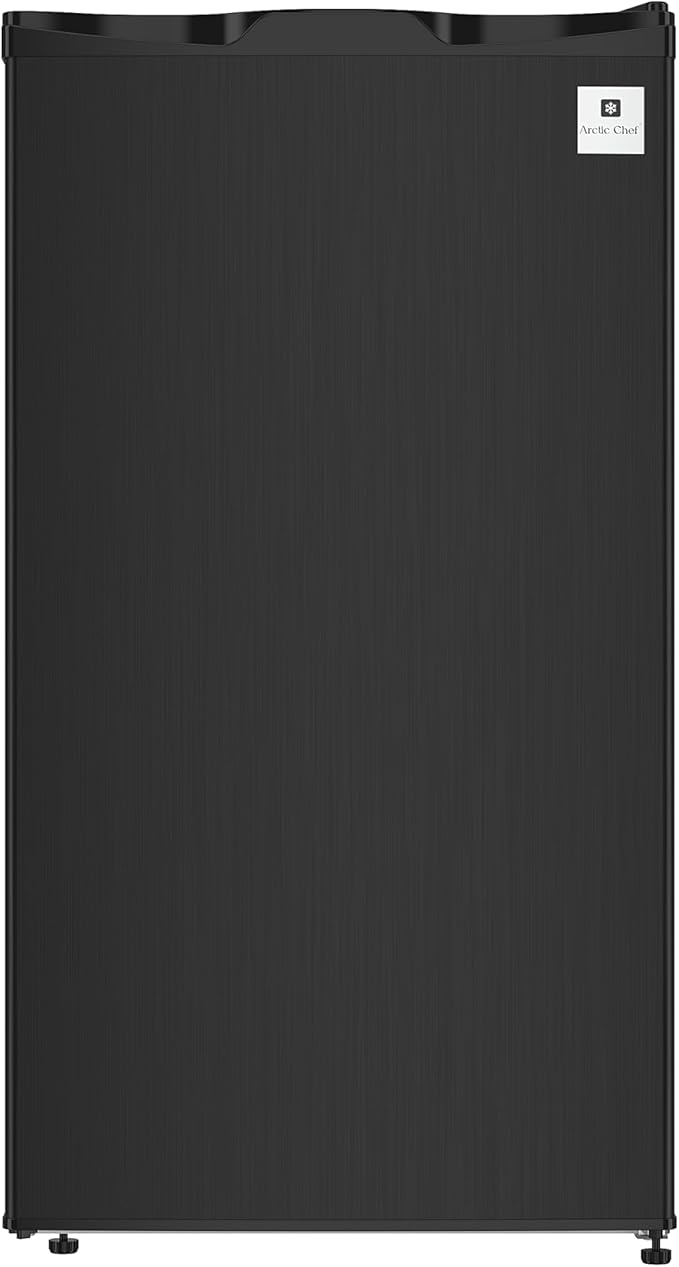
Welcome to Reviews Inside TV, your no-fluff zone for hands-on, brutally honest product insights. Today, we’re cracking open something that might seem small, but packs a big punch in tight spaces—the ACFR335, a 3.2 Cubic Foot Compact Mini Fridge with Freezer. Whether you’re outfitting a dorm room, office nook, man cave, or she-shed, this mini fridge is one of those things you don’t realize you need—until you desperately do. With a platinum finish, built-in freezer, and reversible door, it’s clearly built for flexibility. But how well does it really perform when you’re relying on it for more than just cold drinks? That’s what we’re about to unpack.
On paper, the ACFR335 checks a lot of boxes. It’s got a 3.2 cubic foot capacity, which sounds modest, but the layout is cleverly designed to make the most of every inch. There’s a dedicated freezer compartment at the top, which is a step up from those tiny chill boxes you find in most mini fridges. It’s powered by compressor cooling—important because that means it can handle temperature consistency even when your room heats up. You also get an adjustable thermostat, reversible door for left or right swing, and adjustable feet, which are small perks but make a huge difference in real-world setup. Slide-out shelves make interior cleanup easier, while built-in can and bottle holders are a nice touch for anyone who likes their beverages organized. Low energy consumption is also advertised, which should be a relief for folks keeping an eye on their electric bill in smaller living spaces. All in all, it’s designed to solve the classic small-space refrigeration problem without cutting too many corners.
Setting it up was refreshingly painless. This isn’t one of those units that makes you reach for a toolkit or curse your way through an instruction manual. Plug it in, twist the thermostat dial, and you’re good. I tested this fridge in two different environments—first in a home office where room temperature hovered around 75°F, and then in a garage that spiked closer to 90°F during midday. In both scenarios, the compressor cooling lived up to the claim. The fridge compartment stayed in the 36–40°F range consistently, while the freezer managed to keep frozen meals rock solid. I stashed a mix of leftovers, drinks, and even some delicate greens just to see how it’d handle temperature-sensitive foods. The can holder kept everything upright, the bottle shelf in the door handled a 2-liter soda without complaint, and nothing got that dreaded frozen-back-wall effect. That said, the freezer is functional, but don’t expect it to replace a full-sized deep freezer. It works best for ice trays, small frozen meals, or the occasional pint of ice cream—not bulk storage. One area it stumbled slightly was noise. It’s not loud, but it’s not whisper-quiet either. If you’re sleeping next to it, the occasional compressor hum is noticeable.
Now, let’s talk pros and cons. What really stands out is the smart space utilization. The can and bottle holders aren’t gimmicks—they actually free up shelf space. The adjustable feet help if you’re dealing with uneven floors, and the reversible door is a godsend for tight corners. Plus, the stainless-steel finish doesn’t just look good—it resists fingerprints better than expected. On the flip side, while the freezer performs well for its size, it doesn’t have a separate temperature control. That means if you’re trying to fine-tune your fridge zone, it might affect how hard the freezer runs. Also, while cleanup is easier with slide-out shelves, the interior material feels a bit thin. Not cheap exactly, but definitely not luxury-tier. And as I mentioned, if you’re sensitive to background noise, that compressor hum might become a thing, especially in small bedrooms.
Before we go any further—quick moment to say, if you’re enjoying this breakdown or have ever stood confused in front of a fridge aisle wondering what the heck half those specs mean, hit that like button, subscribe, and tap the bell. Seriously, it keeps the reviews flowing and the shopping headaches down.
Alright, now let’s talk money. This unit usually sits in the $160–$190 range, which puts it squarely in competition with models like the Midea WHD-113FB1 or the RCA RFR322. The Midea offers separate temperature dials for fridge and freezer, but it’s also slightly noisier and less efficient with space. The RCA model has similar specs, but no can storage and a less modern design. So in this bracket, the ACFR335 strikes a really decent balance between form, function, and footprint. You’re not paying extra for flashy features, but you’re not stuck with a budget basement build either.
Compared to its closest rivals, the ACFR335 holds its own. It beats most mini fridges on layout and adjustability. The reversible door and adjustable feet give it a leg up over static designs. The freezer’s reliability in hotter environments is something a lot of competitors struggle with, especially thermoelectric models, which can completely choke once ambient temps go up. The lack of dual temp controls is a slight disadvantage when compared to higher-end models like the Danby DCR032C1BDB, but that fridge also costs significantly more for only marginal gains in performance. So, if you need true fridge-and-freezer separation with independent dials, you’ll have to pay for it. Otherwise, this one punches above its class.
The build quality is solid for its category. The exterior has a decent weight and feel—no flimsy plastics or misaligned door seals. The hinges are sturdy, and the door has a satisfying closure that gives a sense of proper insulation. Inside, while it’s mostly plastic, it’s not the brittle kind that cracks if you shift a gallon of milk. Based on its brand history and construction, this fridge seems likely to go the distance, at least for a few years of consistent use. It’s not industrial-grade by any means, but for a secondary fridge or compact solution, it’s right on the money. Long-term reliability is still up for observation, but there aren’t widespread complaints about breakdowns or faults so far.
In terms of support, there wasn’t a reason to contact customer service for this unit, but the brand has a modest reputation for responsiveness and clear documentation. Not industry-leading, but not a black hole either. Most users should be able to self-troubleshoot with the manual if issues pop up.
So, where does that leave us? The ACFR335 delivers on its promises—it keeps food cold, fits where most others won’t, and gives you some honest-to-goodness freezer storage without jacking up the electric bill. It isn’t perfect, especially if you’re a light sleeper or need precision cooling zones, but it doesn’t try to oversell itself either. For students, apartment dwellers, office workers, or anyone needing a flexible cold storage option, this fridge does its job and stays out of your way. It’s not revolutionary, but it’s quietly dependable—and sometimes, that’s exactly what you need.
Thanks for spending your time with Reviews Inside TV. If you want to check out the ACFR335 for yourself, you’ll find the link down in the comments box. Got questions or maybe you’re already using this fridge in your space? Let us know below—we always read the comments. Until next time, stay cool—just like your fridge—and keep it real with Reviews Inside TV.
Available to buy here:


