

Available to buy here:
Fitbit has long been synonymous with fitness trackers and smartwatches, but with the Fitbit Sense 2, they’ve raised the bar. This isn’t just another health tracker—it’s a highly advanced, all-in-one tool designed to help you take control of your wellness journey. Whether you’re looking to manage stress, monitor your heart health, track your sleep, or stay connected throughout the day, the Fitbit Sense 2 promises to deliver. But does it live up to the hype? Let’s find out.
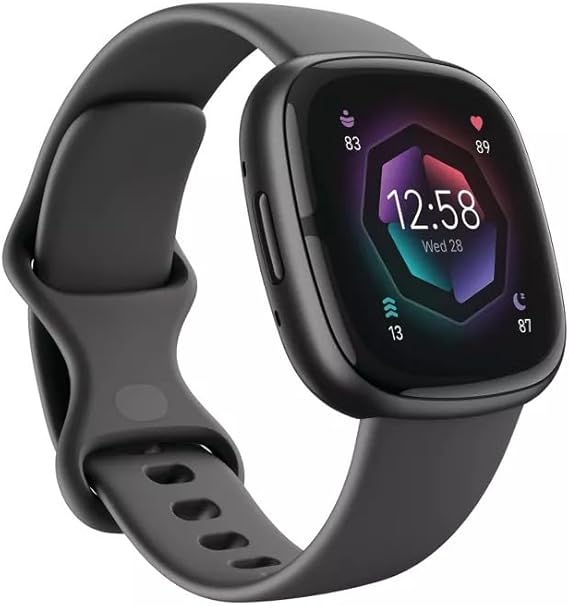
The Fitbit Sense 2 is packed with a variety of features that cater to both fitness enthusiasts and those simply looking to improve their overall health. With a sleek and comfortable design, it includes all-day stress detection through cEDA, a personalized Sleep Profile, and even an ECG app to check for atrial fibrillation. There’s no shortage of health metrics here, with SpO2, 24/7 heart rate monitoring, and a comprehensive health metrics dashboard that lets you track everything in one place. But it doesn’t stop there—this smartwatch comes with built-in GPS for outdoor workouts, 40+ exercise modes, automatic exercise tracking, and a water resistance rating up to 50 meters. It’s clear that this watch is geared towards those who take their fitness seriously.
Setting up the Fitbit Sense 2 was straightforward—download the Fitbit app, sync your watch, and you’re good to go. Right out of the box, the watch feels light on the wrist, and the display is clear and responsive. The touchscreen is intuitive, making it easy to navigate between all the health and fitness features. What really stood out during my real-world use was how well the stress management tools worked. The daily Stress Management Score, which uses your heart rate variability data, was insightful and helped me become more aware of my daily stress levels. Another standout feature was the Sleep Profile, which provided detailed feedback about my sleep patterns, offering personalized tips to improve my sleep quality.
On the activity side, the built-in GPS worked perfectly for outdoor runs, giving me accurate distance and pace data without needing to bring my phone along. The watch also tracked my heart rate continuously, which I found especially helpful when monitoring my exercise intensity during different activities. However, the GPS did use up battery life more quickly, so it’s something to keep in mind if you’re planning a long workout or hike. And speaking of battery life, Fitbit claims a 6+ day battery life, and I found that to be fairly accurate under normal use, although GPS and continuous heart rate monitoring did reduce that somewhat.
Let’s talk about the pros and cons of the Fitbit Sense 2. Starting with the pros, it’s incredibly feature-rich. The all-day stress detection is a game-changer for anyone who’s trying to better manage their mental health. It provides instant feedback on how your body is responding to stress, which is both fascinating and helpful. The sleep tracking is also top-notch, giving you a personalized Sleep Profile that feels genuinely useful. And, of course, the 40+ exercise modes and built-in GPS make it a great companion for anyone serious about their fitness goals. Not to mention, the watch is comfortable to wear all day and night, and the integration with Fitbit Pay, Alexa, and Google Maps (on Android) adds a lot of value for those who like their smartwatches to do more than just track fitness.
However, it’s not perfect. One of the drawbacks I noticed is the slightly bulky design, which may be uncomfortable for users with smaller wrists. The GPS, while accurate, does tend to drain the battery faster, so you’ll need to plan accordingly for longer sessions. Additionally, some of the more advanced features, like the ECG app and Stress Management Score, might not be accessible to all users depending on their location or health conditions. So while these features are highly valuable for some, they may not be universally useful.
When considering the value for money, the Fitbit Sense 2 comes with a premium price tag, but the features justify it to a large extent. You’re getting a smartwatch that’s not only equipped with essential fitness and health tracking but also integrates with your daily life, thanks to features like Alexa and Fitbit Pay. Compared to competitors, such as the Garmin Venu 2 or the Apple Watch Series 7, it offers similar fitness tracking capabilities, but the Sense 2 stands out in its focus on stress management and sleep tracking. For users who are particularly focused on improving their overall health, it offers more specialized insights. However, if you’re primarily interested in advanced smartwatch features or apps, the Apple Watch or a Garmin watch may offer more variety in that department.
In terms of build quality, Fitbit has crafted the Sense 2 with durability in mind. The materials feel premium, and the watch is water-resistant up to 50 meters, meaning you can wear it while swimming without any worries. The screen is crisp and clear, and the overall construction is solid. While long-term data is limited since the product is fairly new, Fitbit’s reputation for producing durable fitness trackers gives me confidence in the long-term reliability of this model.
As for customer support, my personal experience with Fitbit has been positive. The app is well-designed, and when I’ve needed to reach out for help, the response times have been quick and the support team has been knowledgeable. Fitbit also has a reputation for keeping its devices updated, with a six-month Premium membership that offers personalized insights and advanced analytics—an excellent bonus for anyone who wants to get more out of their fitness data.
Now, if we’re talking comparisons, there are a few strong contenders in the smartwatch market. Garmin’s Venu 2, for example, offers a similar set of fitness tracking features but tends to focus more on sports and navigation tools, while the Apple Watch Series 7 offers more in terms of apps and ecosystem integration. The Fitbit Sense 2, however, brings something unique with its focus on mental well-being through stress management tools, which could be a deciding factor for those who prioritize holistic health tracking over other smartwatch features.
To wrap things up, the Fitbit Sense 2 is an impressive all-around smartwatch that excels in health and fitness tracking. The addition of stress management, sleep tracking, and the ECG app make it a solid choice for those looking to improve both their physical and mental well-being. It’s easy to use, comfortable to wear, and packed with features that make it stand out in the competitive smartwatch market. However, the bulkier design and quicker battery drain during GPS use might be deal-breakers for some. If you’re looking for a smartwatch that balances fitness, health, and wellness tracking, the Fitbit Sense 2 is definitely worth considering.
Thank you for watching this review! If you found this helpful, be sure to like, subscribe, and hit the bell icon so you never miss a review. If you already own the Fitbit Sense 2, share your thoughts in the comments below—I’d love to hear about your experience. Until next time, remember: there’s always more to explore inside.
Available to buy here:


