

Available to buy here:
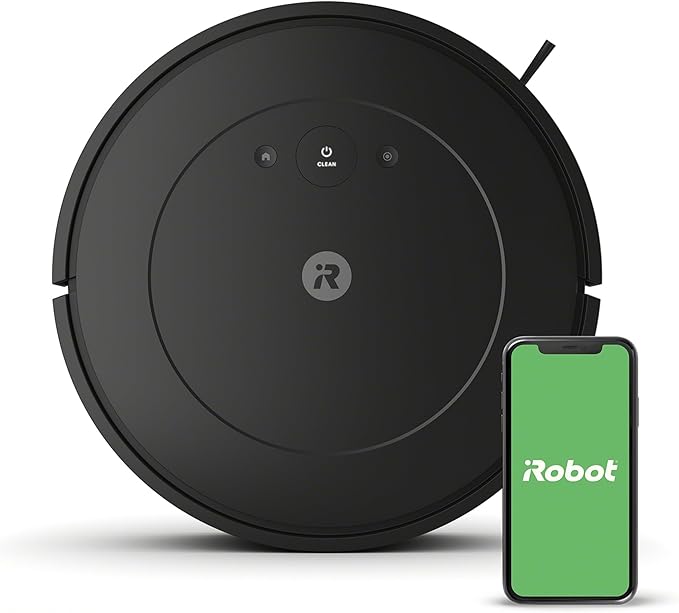
Welcome back to Reviews Inside TV, the channel that cuts through the noise so you can spend your money wisely. Today, we’ve got something that hums quietly in the background while tackling one of the most universally dreaded chores—vacuuming. Meet the iRobot Roomba Vac Robot Vacuum, model Q011. It’s compact, connected, and claims to think for itself. But here’s the real question: does this sleek little bot earn a spot in your daily cleaning routine, or is it just another shiny gadget gathering dust?
The Roomba Q011 arrives with the familiar promise of making your home cleaning more hands-off, and it’s built on iRobot’s well-known foundation of smart automation. It comes with a 3-Stage Cleaning System that ramps up suction in three levels, tailored to different surfaces like hardwood or carpet. It also uses smart row-by-row navigation to clean methodically, rather than wandering randomly like older models. You’ve got the iRobot Home App at your disposal, offering remote control, scheduling, Clean Map reports, and a “Clean While I’m Away” feature that times the job while you’re out. Add to that Alexa compatibility, an edge-sweeping brush, spot cleaning mode, and the ability to run up to two hours on a single charge before it finds its way back to the dock to recharge itself—and you’re looking at a machine trying to be equal parts housekeeper and housemate. It even comes ready to go out of the box, aiming to reduce setup time to just a few minutes. So essentially, it’s selling you a clean floor and peace of mind.
Setting it up really was as simple as advertised—plug in the base, connect it to the iRobot app over a 2.4 GHz network, and hit start. No firmware updates, no drawn-out configuration, no guesswork. During testing, I ran it across laminate flooring, mid-pile carpet, and even under the bed, where it gracefully ducked under without getting stuck. On standard power, it handled daily debris without complaint, but when I turned on max suction mode, it noticeably lifted dirt that wasn’t even visible before. The quieter mode genuinely lived up to its name—perfect for evenings or shared spaces. The smart navigation kept its path orderly, avoiding furniture legs and stairs with reliable consistency. The only place it stumbled a bit was around thick rug tassels, where it briefly hesitated before moving on. And for smaller messes, I triggered the spot clean mode on spilled cereal in the kitchen—it spun tight circles for about two minutes and left the floor spotless.
One thing I liked was the build—it’s low profile, but not flimsy. The plastic shell feels solid and doesn’t flex under pressure, and the underside components—like the wheels and brush assembly—are easy to access for cleaning or maintenance. The app integration, honestly, adds a layer of convenience that makes it feel modern without being overly complicated. On the flip side, there are a couple of points worth mentioning. First, it doesn’t empty itself like the more premium Roomba models, so you’ll still need to manually empty the dustbin regularly. Second, there’s no advanced mapping or “no-go” zones, which might be a dealbreaker for someone who wants to micromanage where their vacuum goes. And it runs only on 2.4 GHz Wi-Fi, which isn’t ideal if your smart home setup relies heavily on a 5 GHz connection.
Real quick—if you’re enjoying the honest take so far, don’t forget to hit that like button, subscribe, and ring the bell so you never miss out on smart product reviews like this. Whether you’re here for cleaning tech or just curious about whether these gadgets are worth it, we’ve got you covered every week.
Back to the Roomba Q011—does it punch above its price? At its current price point, it lands below the self-emptying iRobot j7+ but well above entry-level random-path vacuums. For the price, you’re getting solid navigation, reliable suction options, a user-friendly app, and decent battery life. It’s not cheap, but it’s fair value—especially if you’re stepping into the robot vacuum world for the first time. Alternatives like the Eufy RoboVac 11S may cost a bit less and still offer quiet cleaning and low-profile design, but they often lack the smart navigation and software integration that Roomba nails. On the flip side, if you bump up your budget, the Roborock Q5+ brings more advanced mapping and a self-emptying base, which could be a compelling step up for only a bit more.
In terms of construction and durability, iRobot’s reputation is solid. The Roomba Q011 feels dependable, and its components don’t rattle or feel delicate. While I haven’t run this one for months, iRobot’s track record for parts availability and repairability tends to rank higher than most budget-friendly brands, which bodes well for its longevity. Considering the brand’s widespread presence, even repair or replacement down the line is typically straightforward. Though I didn’t have to interact with customer service directly during testing, iRobot generally maintains a strong reputation for support—especially via the app, where basic diagnostics and help features are built in.
So, what’s the final word? The Roomba Q011 isn’t trying to outshine the premium tier of robot vacuums—it’s more of a no-nonsense, capable assistant for everyday dirt and dust. It delivers exactly what it promises: smart navigation, flexible suction levels, solid cleaning power, and an intuitive app—all in a tidy package that’s easy to operate and maintain. It lacks a few bells and whistles, but if you’re after a reliable, mid-range robot vacuum that just works, this one’s worth a serious look. It’s ideal for apartments, low-maintenance homes, or anyone who wants to delegate vacuuming without micromanaging their robot’s every move.
Thanks for watching Reviews Inside TV. You’ll find the link to check out this product down in the comments box. If you’ve used the Roomba Q011 yourself, or have questions about how it stacks up against others, drop your thoughts below—I’d love to hear from you. Until next time, keep your floors clean and your choices smarter. That’s how we roll on Reviews Inside TV.
Available to buy here:


