

Available to buy here:
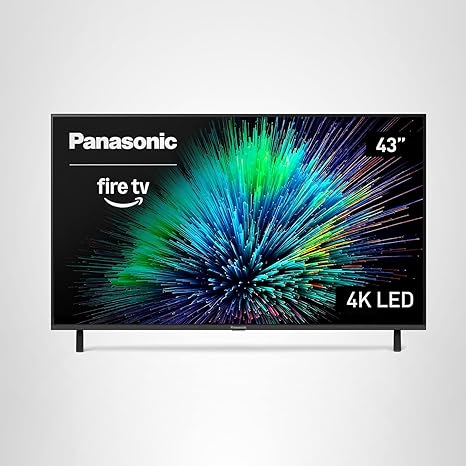
Reviews inside tv welcomes you back, and today the spotlight lands on the Panasonic W70 Series forty-three inch model, a smart television built around the Fire TV platform with a focus on accessible control, streamlined entertainment, and a familiar user-friendly interface. This one leans heavily on convenience, pairing traditional television expectations with smart-home features that make it feel more modern than older entry-level sets. At its core, it is a four-K LED display backed by an HDR Bright Panel and a processing engine designed to keep colors stable while handling motion with more confidence than you might expect in this range. The headline features sound fairly straightforward—Fire TV built in, HDR10+, HDMI two point one, Bluetooth support, and Apple AirPlay—but the way these combine tells you exactly who this television is trying to help. It aims to solve the common frustrations people face when the goal is simply to watch something quickly without juggling multiple remotes, or when navigating scattered apps makes the experience more tiring than enjoyable. With “Press and Ask” Alexa support baked into the remote, the intention is to remove the endless-scrolling problem, offer quick access to content, and integrate smart home features without forcing the user into a complicated setup.
Using the television over a full week really shows what this blend of features means in normal daily life. Setup begins the moment you pick up the remote, and the Fire TV interface guides most of the process. It links to your streaming services, organizes channels, and personalizes home screens with recommendations that feel more targeted after a few hours of use. What stands out early is the familiarity of the layout; the Fire TV software is widely known, so if you’ve ever used anything in that ecosystem, the W70 works almost exactly as expected. Pairing Bluetooth headphones is quick and stable, ideal for late-night viewing without disturbing anyone, and pairing external speakers works well if you want a simple audio upgrade without investing in a full system. During testing, I ran through a variety of content: standard streaming at four-K resolution, live TV, high-motion sports broadcasts, and HDR movies that push bright highlights and color detail. Motion handling holds up better than budget sets that skip MEMC entirely; sports and action scenes showed fewer visible judder moments than older Fire-based options. HDR content naturally varies depending on the mastering, but HDR10+ support helps push dynamic range further than basic HDR10 can. One thing you notice in room lighting is the brightness is tuned for standard living rooms, not extremely bright spaces, but reflections stay manageable unless you have direct sunlight on the screen.
Using Alexa from the remote quickly becomes second nature. Asking it to switch apps, jump to a specific episode, dim smart lights, or pull up a camera feed is surprisingly smooth. This is the kind of integrated control people look for when they want the television to be a central piece of the smart home rather than just another screen. Apple AirPlay works reliably as well; casting from a phone for quick photos or videos feels instant. At about the halfway point in the review, this is the perfect moment to remind you to hit that like button, subscribe, and tap the bell icon if you enjoy deep-dive reviews with honest analysis. It helps the channel more than you think.
In use, the strengths naturally show themselves. The Fire TV interface is one of the easiest to navigate, and the quality-of-life additions like Bluetooth audio switching, HDMI control, and voice-activated navigation keep things convenient. The HDR Bright Panel produces solid color reproduction with a balanced look that avoids the oversaturated feel some competitors push. The inclusion of an HDMI two point one port at this price class helps future-proof the setup more than expected, especially for people who want smoother gaming or more flexible connectivity. On the flip side, the LED panel limits the absolute contrast compared with mid-range or high-end televisions, so darker scenes can lose some depth. Viewing angles are average, which is normal for this panel type, so wide seating arrangements may notice some washout. The Fire TV interface, while familiar, can sometimes feel crowded if you’re not used to the amount of content it wants to present, and navigating the home screen requires a bit of cleanup to make it feel personal. While the processor handles general motion well, extremely fast content shows the limits of what this class of MEMC processing can do, so expectations should be grounded in the price category.
When considering value, it positions itself as a contender in the entry-to-mid tier of four-K smart televisions. If you compare it directly with alternatives around the same price, such as some Hisense A-series or Toshiba Fire TV models, the W70 generally feels more refined in motion handling and color consistency. It avoids the extremely budget compromises without jumping into premium territory. Competitors with Google TV at similar prices may offer broader app flexibility, but they often lack the tight Alexa and smart-home integration that this Panasonic aims to deliver. If you step up slightly in price to models like the TCL four-series or Samsung’s entry-level Crystal lineup, you may gain a bit more brightness but lose the Alexa-driven smart features that define the W70. This is where the television carves out its niche—not the brightest, not the most advanced, but one of the more well-rounded smart Fire TV options for people who value ease of use and integration.
Looking more closely at its construction, the television fits the typical Panasonic styling from recent years. The chassis is lightweight but not flimsy, the bezels stay relatively narrow without chasing ultra-premium minimalism, and the stand feels stable for a forty-three inch size. Build quality lands in that reassuring middle ground: not luxurious, but far from cheap. In terms of long-term expectations, Panasonic’s track record with LED televisions in this class suggests reliability that typically holds up over several years. The Fire TV software updates over time, but these updates are handled quietly in the background and mostly keep the platform smooth rather than adding major new features. The hardware itself feels dependable enough for daily use without noticeable heat issues or worrying flex in the frame.
As for customer support, Panasonic generally maintains a reputation for straightforward service. While there weren’t any issues requiring direct interaction during testing, the brand’s typical responsiveness is considered above average in this price bracket, offering a bit more reassurance for buyers who want stability over time.
Wrapping everything together, the W70 Series forty-three inch model does what it sets out to do: deliver a reliable four-K smart television experience with the Fire TV ecosystem built in, strong HDR format support for its class, and convenient Alexa-driven control that simplifies daily use. It doesn’t try to compete with high-end OLED or high-brightness QLED models, and it shouldn’t be expected to. What it does deliver is a balanced viewing experience with cleaner motion than expected for the price, solid color accuracy, and smart-home friendliness that makes everyday use more seamless. It suits viewers who want a television that simply works, who value Alexa control, who enjoy the Fire TV interface, or who need a versatile bedroom or living-room display that handles streaming, light gaming, and smart-home tasks without fuss. Thank you for spending your time with Reviews inside tv, and you’ll find the product link waiting in the comments box. If you already own this model or have questions about choosing between similar televisions, drop your thoughts below. Goodbye till next time, and remember—there’s always more waiting for you on Reviews inside tv.
Available to buy here:


