

Available to buy here:
Welcome back to “Reviews inside tv.” Today, we’re looking at a product that promises to take your home or business networking to the next level: the TP-Link Omada WiFi 7 Wireless Access Point, specifically the model EAP770. This is a tri-band device that supports Wi-Fi 7, offering speeds and features aimed at future-proofing your network. It’s packed with technical innovations designed to improve coverage, reliability, and overall performance—so, is it really worth your attention? Let’s find out.
The TP-Link Omada WiFi 7 Wireless Access Point is a standout in the world of modern networking equipment. It supports a dual-band, four-stream configuration, which gives you the ability to achieve up to 5.0 Gbps in total bandwidth, broken down as 4324 megabits per second on the 5 GHz band and 688 megabits per second on the 2.4 GHz band. With Wi-Fi 7 technology powering this device, users can expect improved performance, especially when using multiple devices simultaneously. This access point integrates Multi-Link Operation, Multi-RUs, and 4K-QAM, all of which help enhance speed, capacity, and overall performance. These are crucial features, particularly for environments with a high device density, where stable and fast connections are a necessity.
One feature that stands out here is its 2.5G port, which makes this access point future-proof. With the increasing demand for faster internet speeds, the inclusion of a 2.5G port means you’re ready for faster internet connections down the line, all without the need to replace your hardware. This could be a big selling point if you’re anticipating network upgrades in the near future, ensuring that your investment in the Omada access point doesn’t become obsolete.
Additionally, the Omada system is powered by TP-Link’s Omada Cloud Management platform, allowing you to remotely monitor, configure, and manage your network from anywhere. With tools like AI-powered management, Zero Touch Provisioning (ZTP), and enhanced network security options, you can manage everything with ease. For those who need greater control, the platform also supports network monitoring, VLAN segmentation, bandwidth management, and custom security configurations. This flexibility is great for both small and medium-sized businesses or larger home networks that require robust security and management tools.
Setting up the Omada WiFi 7 access point is pretty straightforward, especially when considering its PoE (Power over Ethernet) or DC-powered options. This versatility gives you flexibility in installation, whether you’re working with an existing Ethernet setup or prefer a direct power solution with the included DC adapter. The setup process is simplified by the intuitive Omada app and web portal, allowing for a smooth configuration experience. Whether you’re tech-savvy or a beginner, you shouldn’t have trouble getting the device up and running.
Now, how does it perform in real-world usage? I put the TP-Link Omada through a series of tests in different environments. The first test was a standard home network with multiple devices streaming, browsing, and gaming simultaneously. On the 5 GHz band, I noticed impressive speeds, with video streams running at 4K without buffering and online games staying lag-free. The 2.4 GHz band handled smart home devices without any issue, providing stable connections to things like lights, thermostats, and security cameras. The performance was solid in every scenario, which is a relief given how many devices are constantly trying to connect these days.
However, there are a couple of things to keep in mind. First, while the access point delivers strong speeds across both bands, the 2.4 GHz band isn’t as fast as some competing products. It’s not necessarily a downside, but something to keep in mind if you’re expecting blazing speeds on all bands. Also, though the app and management portal are helpful, the sheer volume of settings might feel overwhelming for those unfamiliar with networking. It’s great for businesses or advanced users, but may be a bit much for someone looking for a simpler setup.
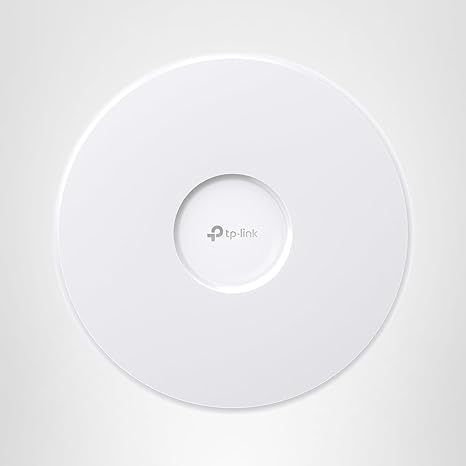
When it comes to build quality, TP-Link has definitely put thought into durability. The Omada EAP770 has a solid, professional feel to it, with the casing made from a durable plastic that’s built to withstand continuous use. It’s not overly bulky, but it does feel heavy enough to assure you that it’s a solid piece of equipment. The sleek design will blend well in office spaces or tech-savvy homes, where aesthetic is just as important as function.
As for longevity, while we don’t have years of data on this specific model, TP-Link’s reputation for reliability in their networking gear is well-known. The inclusion of advanced cybersecurity features, including WPA3 encryption and the device’s adherence to CISA’s Secure-by-Design pledge, indicates a focus on long-term security and stability. These features, combined with TP-Link’s regular firmware updates, should ensure the device remains relevant and secure over time.
Customer support with TP-Link is another strong point. While I haven’t personally needed to contact their customer service for this product, TP-Link is known for its responsive and helpful customer support across its range of networking products. Their website offers helpful guides and troubleshooting resources, and many users have reported positive experiences with the brand’s support team.
When evaluating the TP-Link Omada WiFi 7 against similar products, it’s clear that this device stands out with its combination of Wi-Fi 7 technology, 2.5G port, and advanced management features. Competing products at a similar price point, such as other business-oriented access points, may offer comparable speeds, but the Omada’s ability to support cloud management and future-proof itself with the 2.5G port makes it a standout choice for forward-thinking users. Additionally, its performance in high-density environments places it a step ahead of many consumer-grade routers or access points that might struggle with multiple devices.
Now, as for value for money, the TP-Link Omada WiFi 7 is definitely a solid investment, but it’s not for everyone. If you’re a business owner or someone with a large home network that requires strong, reliable connectivity across a variety of devices, this access point delivers excellent value. It justifies its price with cutting-edge features like Wi-Fi 7 and the future-proof 2.5G port. However, if you’re just looking for a simple Wi-Fi solution for basic browsing or streaming, there are less expensive options that may suit your needs.
In conclusion, the TP-Link Omada WiFi 7 Wireless Access Point is a powerful and future-proof networking solution for those who need top-tier performance, enhanced security, and flexible management options. Whether you’re looking to upgrade your home network or equip a growing business with stable, high-speed Wi-Fi, this product has a lot to offer. It’s not perfect for everyone—if you don’t need the advanced management tools or the 2.5G port, you might find better value elsewhere. But for those who need robust, long-term networking performance, it’s a solid choice.
Thank you for watching! If you’re considering the TP-Link Omada WiFi 7 or if you already have one, drop your thoughts or questions in the comments below. The link to check out the product is in the comments box as well. Until next time, stay connected and keep your network running smoothly.
Available to buy here:


